The poisoned-aspirin incident
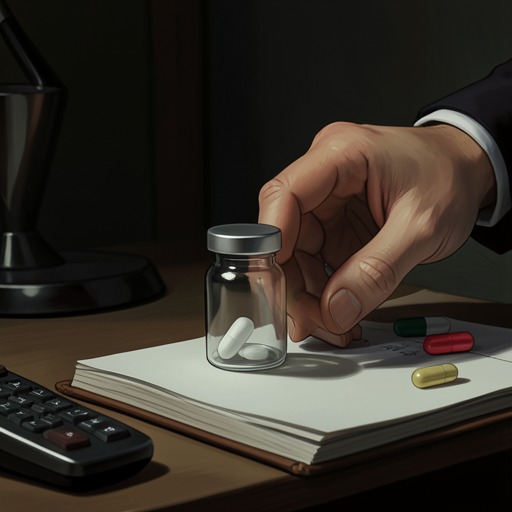
A Murder Is AnnouncedThe poisoned-aspirin incident is the poisoning of Dora Bunner through tablets taken from a bottle beside Letitia Blacklock’s bed. Its force lies in the domestic disguise of the crime: aspirin is so commonplace in the crowded household that the danger passes as routine, until the bottle becomes a link between Dora’s death and someone’s recent access to the house.
The Missing Tablets
On the evening of the birthday gathering, Dora says she cannot find her aspirin. Phillipa Haymes offers the bottle on her dressing table, while Julia Simmons impatiently points out that the house is full of aspirin. Dora declines to abandon the search at once. Vexed with herself for being careless and mislaying things, she goes upstairs again, still believing she has a new bottle somewhere.
The scene makes Dora’s habit of losing things part of the immediate circumstances of the poisoning: her search leads her back upstairs, where she can take tablets from the bottle beside Letitia’s bed. The other women treat her confusion as familiar, and Letitia worries that the excitement of the day will leave Dora worse the next morning. Their concern is affectionate, but it does not prevent the lethal mistake—or reveal that the ordinary medicine in the bedroom has been tampered with.
Discovery of the Poisoning
The next morning, Dora is found dead in her bed. The doctor considers her health poor but does not think the death natural; his initial suspicion is narcotic poisoning. The investigators learn that Dora took two tablets from the bottle beside Letitia’s bed, leaving one behind. That remaining tablet is sent for analysis, and the doctor says it is definitely not aspirin.
The difference between the label Dora expects and the substance in the bottle changes the meaning of the preceding night. What looked like a domestic nuisance—the loss of a familiar bottle—has become a fatal exposure to poison. The surviving tablet supplies a concrete object for investigation, while the two tablets Dora swallowed explain how the crime could kill her without an overt confrontation.
Opportunity and Suspicion
Craddock connects the tablets’ presence to the timing of the poisoning. He has been told that Letitia discarded a half-empty sherry bottle and opened a new one, suggesting that she would be alert to tampering with an opened drink. He doubts she would think to take the same precaution with an open bottle of aspirin. In his view, the poison could not have been there for long, so the question becomes who had been inside the house during the preceding day or two.
Rydesdale points to the birthday party held for Dora the previous day: everyone on the investigators’ side had been in the house, and any of them might have slipped upstairs and substituted the tablets. He also keeps open the possibility that a resident could have made the substitution at an earlier opportunity. The evidence narrows the relevant inquiry to access and timing, but it does not yet identify the person responsible.
Consequences for the Investigation
Dora’s death transforms a seemingly minor household detail into a second murder investigation. The aspirin bottle is significant precisely because it is easy to overlook: unlike a newly opened drink, an ordinary medicine bottle attracts little suspicion, and Dora’s own forgetfulness provides an unremarkable reason for her to search for tablets. The poison’s concealment depends on that routine familiarity.
The incident also widens suspicion beyond the room and the bottle. Because the tablets could have been substituted by someone attending the birthday gathering or by someone living at Little Paddocks, investigators must consider both recent visitors and household members. The surviving tablet can establish what Dora swallowed, but the opportunity to put it there remains unresolved at this point. Thus her death supplies a new material clue while making access to the house, rather than the poisoning alone, the central question.